
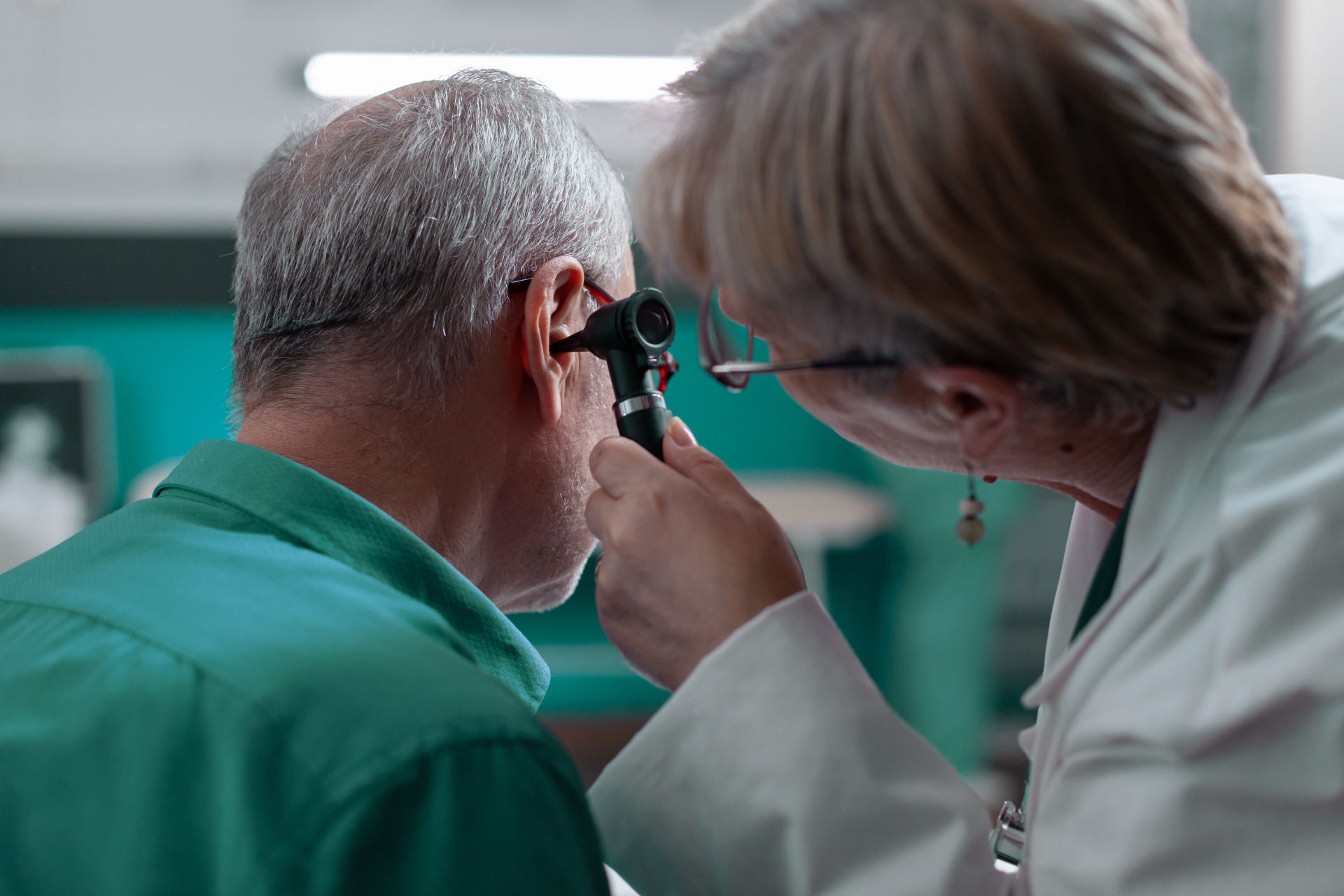
Key outcome: Audiometry identified unilateral hearing loss and prompted a proportionate workplace risk assessment, helping the employer consider alarms, warnings and safety-critical communication.
Workplace audiometry is not simply a pass-or-fail hearing test. It helps employers monitor employees who are exposed to noise and can also identify hearing difficulties that may affect communication or safety at work.
A UK employer engaged David Barber (O.H.) Ltd to provide routine audiometry as part of its ongoing health surveillance programme.
The programme was designed to monitor employees' hearing, identify any changes at an early stage and support the employer in managing workplace noise risks.
During a routine audiometry appointment, testing identified unilateral hearing loss in one employee. The employee explained that they had experienced hearing difficulties since childhood, and there was no indication that the hearing loss was caused by their work.
Although the employee's hearing loss was not considered work-related, the findings raised an important workplace safety question: could the employee reliably hear fire alarms, warning signals, instructions and other safety-critical sounds?
Our Occupational Health clinician:
The advice focused on managing workplace safety without unnecessarily restricting the employee's duties. Only relevant fitness-for-work information was shared with the employer, in accordance with the employee's consent and medical confidentiality.
The employee remained fit for work with appropriate advice. The employer was able to consider the employee's hearing within an individual risk assessment and determine whether any additional controls were required.
This included considering whether the employee could hear fire alarms and other warning systems, follow verbal instructions in noisy environments and communicate effectively during safety-critical activities. Annual audiometry was recommended so that any future change in the employee's hearing could be identified and reviewed promptly.
This case demonstrated the wider value of workplace audiometry by:
Regular audiometry can help identify early signs of noise-induced hearing loss and monitor whether an employee's hearing is changing over time. It can also highlight non-work-related hearing difficulties that may need to be considered as part of workplace safety arrangements.
Health surveillance should form part of a wider noise-management programme and does not replace suitable risk assessments, effective noise-control measures or appropriate hearing protection.
David Barber (O.H.) Ltd provides practical, evidence-based audiometry and health surveillance services tailored to the risks within each organisation. We can support employers with baseline assessments, ongoing surveillance, clear fitness-for-work advice and appropriate clinical follow-up.
To discuss setting up or reviewing your organisation's health surveillance programme, please contact the team at David Barber (O.H.) Ltd.
If you would like to learn more about how proactive occupational health services can support your organisation, contact our team today.
01332 318978