
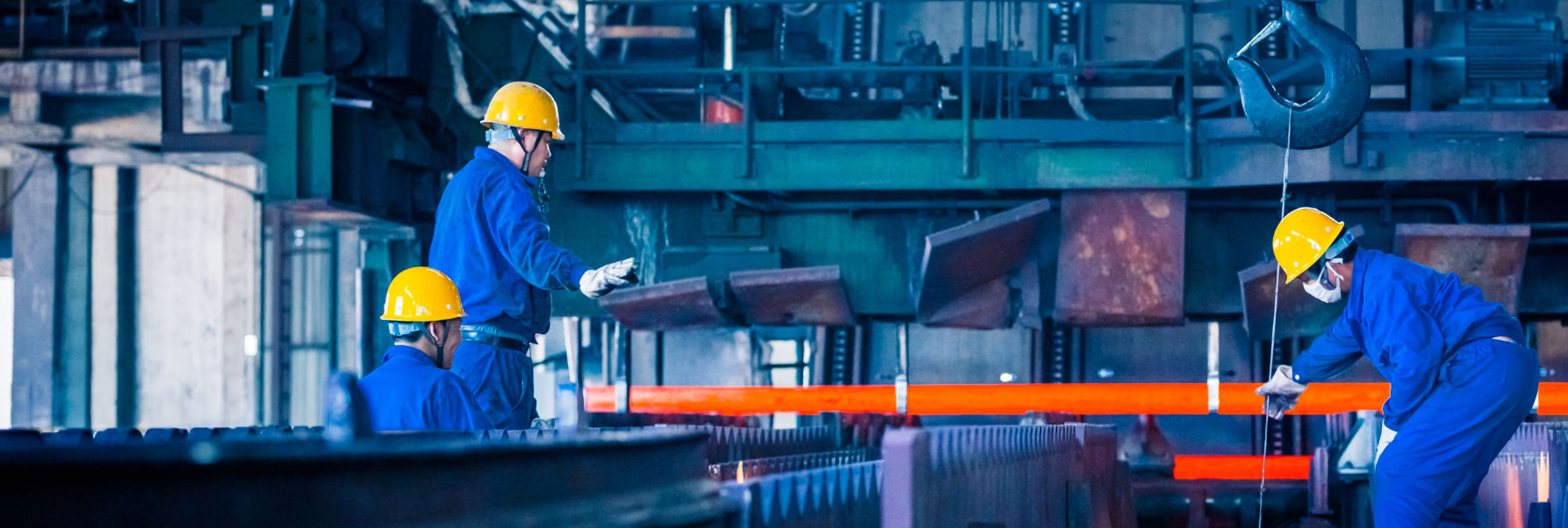
Manufacturing operations run on precision, throughput, and continuity. When workforce health becomes unstable, production slows, quality suffers, and costs rise quickly.
Unlike construction, the risks here are often cumulative rather than acute. Repetitive strain, manual handling load, noise exposure, chemical processes, shift fatigue, and machinery-related hazards build over time. If occupational health controls are reactive or fragmented, problems surface as long-term absence, reduced productivity, or avoidable incident investigations.
Manufacturers also operate under strict regulatory frameworks. COSHH compliance, noise regulations, vibration exposure limits, and documented control measures must be evidenced clearly. Health surveillance programmes need to reflect actual production exposures, not outdated risk assessments.
Common weaknesses in the sector include:
In manufacturing, occupational health must operate as a control system, not a referral service.
DBOCC Health supports manufacturing employers through a structured occupational rehabilitation system that connects exposure risk, medical oversight, and absence management into a single, coordinated pathway.
Our approach integrates:
Surveillance data informs risk control review. Fitness decisions reflect actual production tasks. Absence cases are assessed against operational realities rather than generic guidance.
This reduces decision latency and protects continuity on the shop floor.
Governance is clinically led, with structured templates, quality checks, and documentation aligned to SEQOHS principles and ISO-accredited systems. Employers gain defensible, consistent outcomes that support both compliance and operational stability.
Contact Us & Our expert team will reach out to you promptly