
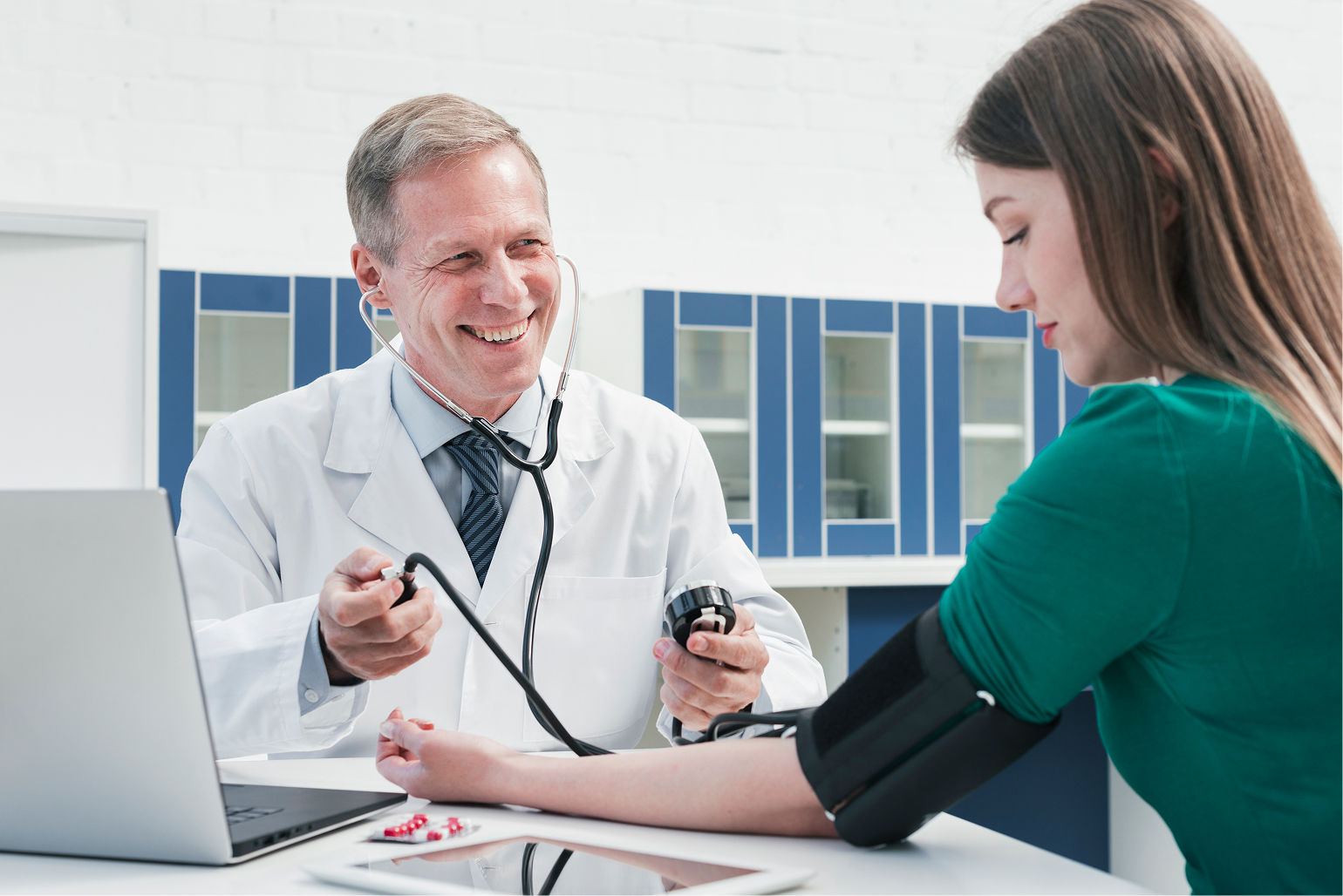
Key outcome: Routine spirometry highlighted results requiring further medical investigation, enabling early advice and a structured review plan.
Overview
Regular health surveillance is much more than a compliance exercise. When carried out effectively, it can identify changes in an employee's health at an early stage and help employers take appropriate action to protect their workforce.
The client
A UK manufacturing and engineering company engaged David Barber (O.H.) Ltd to undertake routine health surveillance for employees who may be exposed to workplace hazards. The surveillance programme included respiratory health assessments for employees whose roles could expose them to substances capable of affecting their breathing or lung function.
The challenge
During a routine appointment, one employee completed a respiratory health questionnaire and underwent spirometry testing.
The results indicated a pattern that required further medical investigation. Although Occupational Health does not diagnose medical conditions, the findings suggested that it would be appropriate for the employee to seek advice from their GP.
Without regular health surveillance, the employee may not have been aware that further assessment was advisable.
Our approach
Our Occupational Health clinician:
- Discussed the spirometry results with the employee during the appointment.
- Explained why further medical investigation was recommended.
- Advised the employee to arrange an appointment with their GP.
- Considered the employee's fitness for work and any immediate workplace risks.
- Provided the employer with clear and proportionate fitness-for-work advice.
- Recommended a review following further medical assessment.
The advice took account of the employee's health, their job demands and the need to support them in remaining at work safely.
Only relevant fitness-for-work information was shared with the employer, in accordance with the employee's consent and medical confidentiality.
The outcome
The employee was able to continue working with appropriate interim advice while seeking further assessment from their GP.
A time-limited review was recommended so that the employee's fitness for work and respiratory health could be reassessed once additional medical information became available.
The employer received practical guidance to help manage the situation safely without being given unnecessary confidential medical information.
The benefits to the client
This case demonstrated the value of a structured health surveillance programme by:
- Identifying a potential respiratory concern that required further investigation.
- Encouraging early medical assessment.
- Providing the employee with clear information and support.
- Helping the employer make an informed decision about fitness for work.
- Creating a documented plan for follow-up and review.
- Supporting the employer's management of workplace health risks.
Why regular health surveillance matters
Health surveillance allows employers to monitor the health of employees who are exposed to specific workplace hazards. It can help identify early signs of work-related ill health and highlight situations where further medical assessment or workplace controls may be needed.
It should form part of a wider risk-management programme and does not replace suitable risk assessments, effective control measures or appropriate workplace monitoring.
How David Barber (O.H.) Ltd can help
David Barber (O.H.) Ltd provides practical, evidence-based health surveillance services tailored to the risks within each organisation. Our services include audiometry, spirometry, skin surveillance, hand-arm vibration assessments, vision screening and safety-critical medicals.
To discuss setting up or reviewing your organisation's health surveillance programme, please contact the team at David Barber (O.H.) Ltd.